
Gojirasaurus

Gojirasaurus quayi is a dubious genus of coelophysoid theropod dinosaur from the Late Triassic of what is now New Mexico, United States. Its fragmentary fossils come from the Bull Canyon Formation and suggest an animal about 5.5 metres long, making it one of the larger known predatory dinosaurs of its time.
Scientific name: Gojirasaurus quayi
Name meaning: Gojira lizard
Clade: Theropoda
Family: Unknown
Era: Late Triassic (Norian, ~210 million years ago)
Length: About 5.5 m
Diet: Carnivore
Location: Bull Canyon Formation, New Mexico, USA
Fossils: Partial postcranial remains including vertebrae, ribs, scapula, pubis, tibia, and a tooth.
Gojirasaurus Life Reconstruction and Illustration

The illustration of Gojirasaurus quayi is based on the limited fossil remains attributed to the species together with anatomical comparisons to closely related coelophysoid theropods. Fragmentary bones from the hip, tibia, vertebrae, and other skeletal elements provide the starting framework. From these fossils, researchers estimate a body length of roughly 5.5 metres and reconstruct the overall proportions of the skeleton.
Because the skull and much of the skeleton are incomplete, the missing anatomy follows well-known body proportions of early theropods such as Coelophysis. These dinosaurs had slender heads, long balancing tails, and lightly built forelimbs. Skin texture is inferred from impressions found in other early dinosaurs and related reptiles. Colour patterns use mottled earth tones inspired by modern reptiles and ground-dwelling predators that rely on camouflage in woodland environments.
Is Gojirasaurus a Real Dinosaur?
Yes. Gojirasaurus quayi is a real dinosaur that was named in 1997 from fossil remains discovered in New Mexico. It belonged to an early group of meat-eating dinosaurs known as theropods and lived during the Late Triassic, roughly 210 million years ago.
However, the classification of this dinosaur is debated because the fossils are fragmentary. Some bones originally assigned to the genus may actually belong to other animals, which has led some researchers to question whether it truly represents a distinct species.
Key points about Gojirasaurus include:
- It was named by paleontologist Kenneth Carpenter in 1997.
- Fossils come from the Bull Canyon Formation in New Mexico.
- It may have reached about 5.5 metres in length.
- Some scientists consider it a dubious genus because the known bones are limited and resemble those of other Triassic dinosaurs.
Size and Appearance
Gojirasaurus quayi was a medium-sized carnivorous dinosaur that lived during the Late Triassic period, roughly 210 million years ago. Fossils have been found in the Bull Canyon Formation of New Mexico, an area that preserves many early dinosaurs and other prehistoric reptiles.
Estimates suggest that Gojirasaurus may have reached about 5.5 to 6.5 metres in length, making it relatively large compared with many early theropods. At the time it lived, dinosaurs were still evolving into the giant predators that would dominate later periods.
Like other early theropods such as Coelophysis, it likely had a slender body, long legs, and sharp teeth suited for hunting smaller animals. These dinosaurs were fast and agile predators that occupied an important role in Triassic ecosystems.
Why the Name Points to Godzilla
The name Gojirasaurus translates to “Gojira lizard.” The word Gojira is the original Japanese name for the famous movie monster Godzilla. When the dinosaur was described in 1997, its discoverer chose the name as a tribute to the iconic creature.
The connection was partly inspired by the dinosaur’s estimated size compared with other predators in its environment. While not gigantic by later dinosaur standards, it may have been one of the larger carnivores in its local ecosystem during the Late Triassic.
Why Its Status Is Debated
Gojirasaurus was described from fossils discovered in the Late Triassic rocks of New Mexico. The species Gojirasaurus quayi was formally named in 1997 by paleontologist Kenneth Carpenter and placed among early carnivorous dinosaurs related to coelophysoids.
However, the identity of this dinosaur has been questioned because the fossil material is incomplete. The remains used to describe the genus consist mainly of fragments of limb bones and other post-cranial elements, which makes precise identification difficult.
Some vertebrae originally attributed to Gojirasaurus were later reassigned to another Triassic reptile called Shuvosaurus. This reassessment reduced the amount of material confidently associated with the dinosaur and complicated its classification.
Other bones, including a tibia and hip, closely resemble those of the well-known Triassic theropod Coelophysis. Because of these similarities, some researchers regard Gojirasaurus as a dubious genus, meaning the fossils may not represent a clearly distinct dinosaur.
In Popular Media
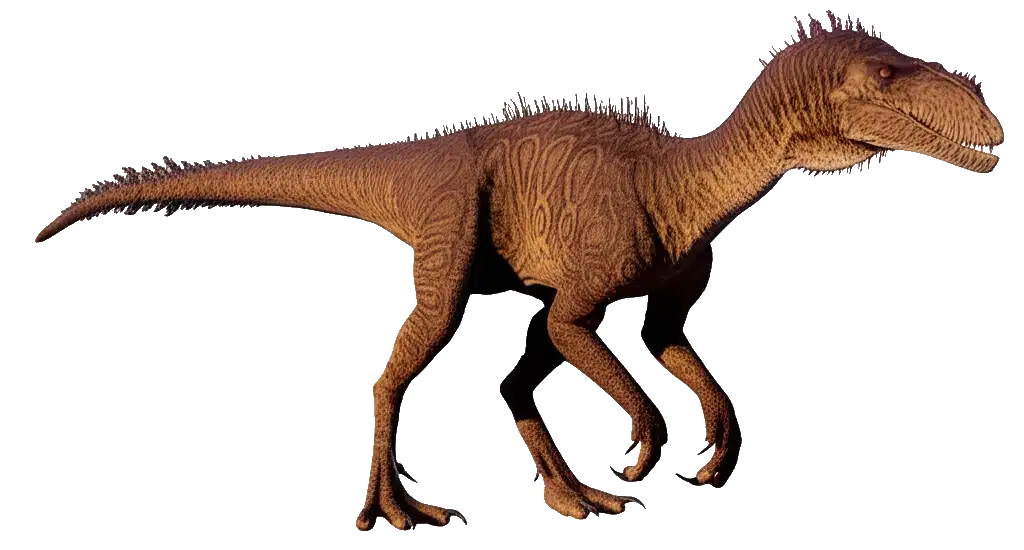
Although the real dinosaur is known from limited fossils, Gojirasaurus has appeared in modern dinosaur-themed media. One example is the mobile game Jurassic World, where it is portrayed as a powerful playable creature in spin-off titles.
In some portrayals, the animal is given features such as frills or venom-spitting abilities similar to the fictionalized version of Dilophosaurus from the Jurassic Park franchise. These traits are speculative and not supported by fossil evidence, reflecting creative license rather than scientific interpretation.